

Dr. Amr Mahmoud
Professor of Interventional Radiology at Ain Shams University
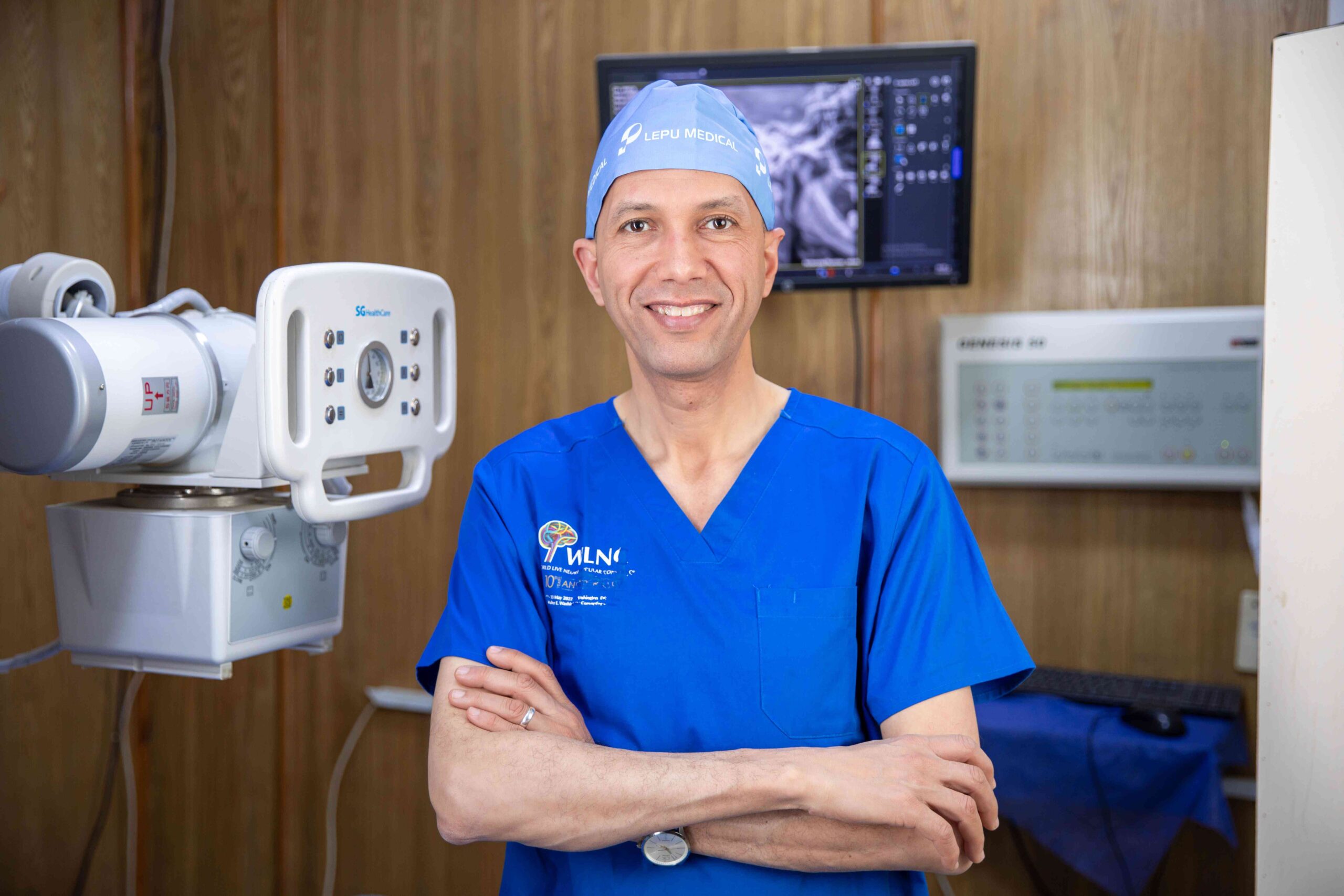
Advanced Care
Leading Innovations in Brain Catheterization Procedures
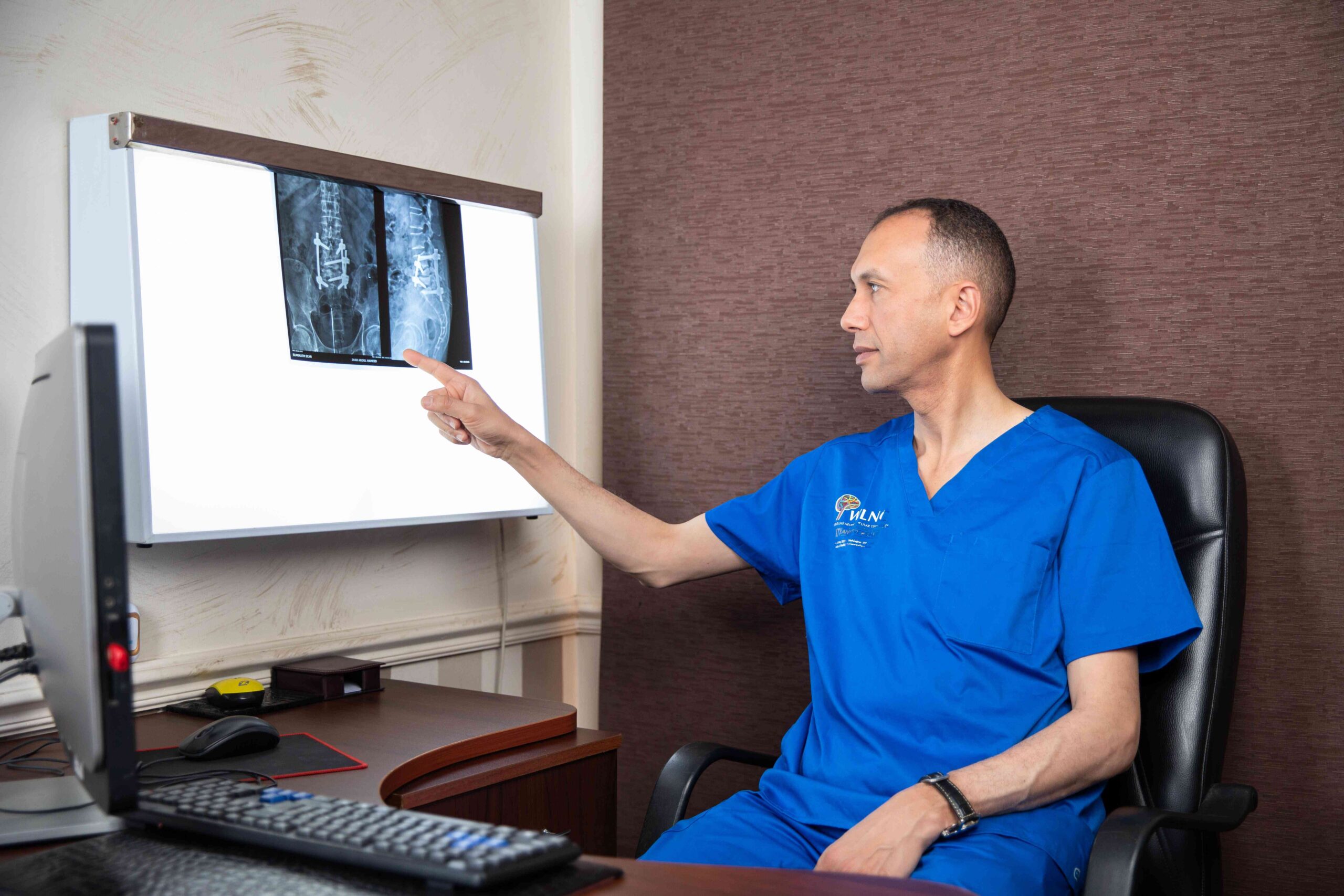
Academic Excellence
Dedicated to Education and Research in Radiology
Our Specialties
Interventional Radiology
Advanced imaging-guided minimally invasive procedures for diagnosis and treatment.
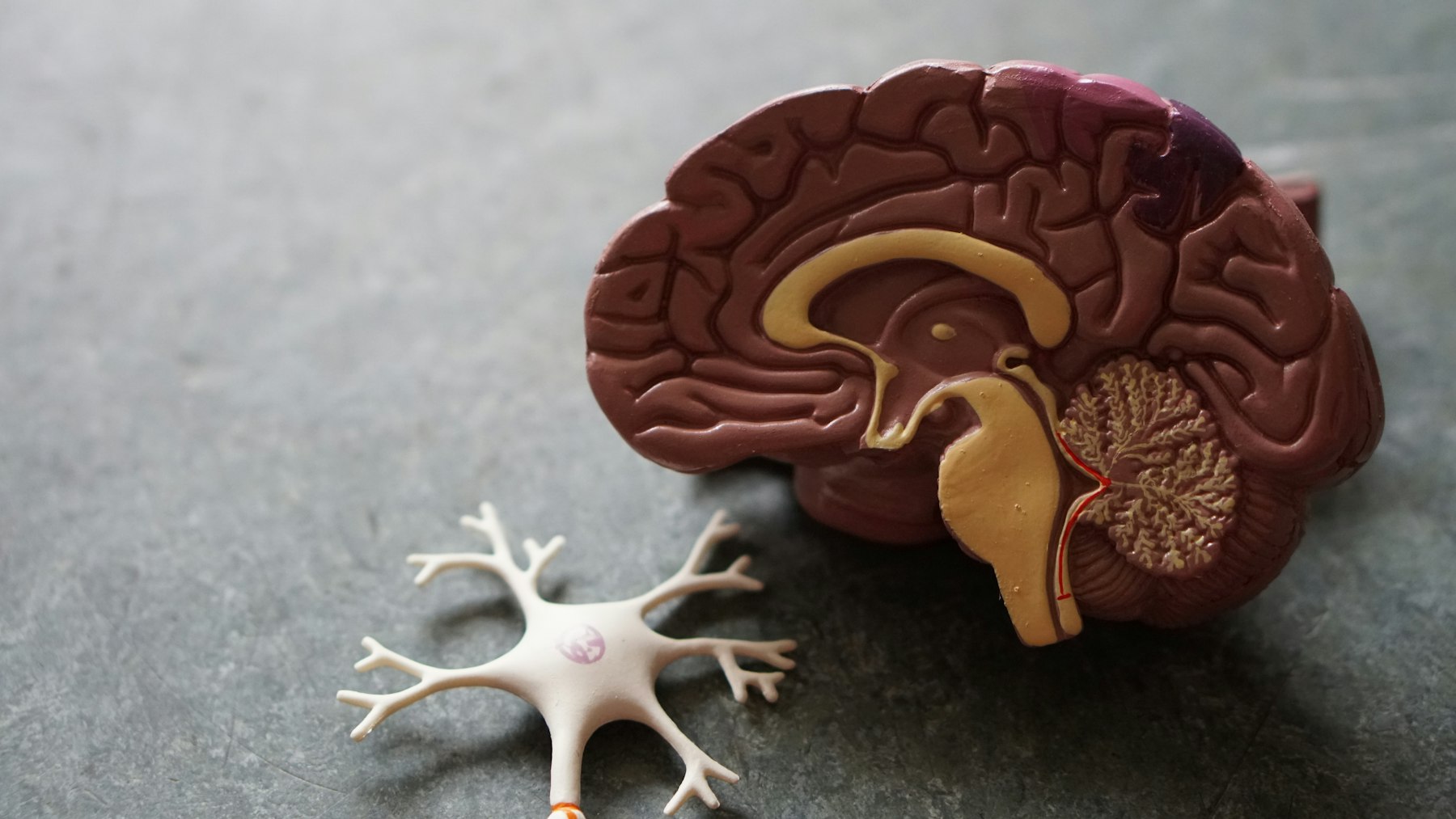
Brain Catheterization
Specialized procedures for diagnosing and treating conditions affecting blood vessels in the brain.
Frequently Asked Questions
What is Interventional Radiology?
Interventional Radiology (IR) is a medical specialty that uses minimally invasive image-guided procedures to diagnose and treat diseases. It combines advanced imaging technology with precise procedures to treat conditions without traditional surgery.
What conditions can be treated with Interventional Radiology?
IR can treat various conditions including liver tumors, uterine fibroids, varicose veins, blocked arteries, and many other conditions. It offers less invasive alternatives to traditional surgery with shorter recovery times.
What is Brain Catheterization?
Brain catheterization is a specialized procedure that involves inserting a thin tube (catheter) into blood vessels in the brain. It's used to diagnose and treat conditions affecting the brain's blood vessels, such as aneurysms and malformations.
Is Interventional Radiology safe?
Yes, IR procedures are generally safer than traditional surgery because they are minimally invasive. They involve smaller incisions, less pain, shorter hospital stays, and faster recovery times. However, like any medical procedure, there are some risks that your doctor will discuss with you.
What are the benefits of Brain Catheterization?
Brain catheterization offers several benefits including precise treatment of vascular conditions, minimal tissue damage, shorter recovery time, and reduced risk of complications compared to open brain surgery.
How long does recovery take after IR procedures?
Recovery time varies depending on the specific procedure, but most patients can return to normal activities within a few days to a week. This is significantly shorter than recovery from traditional surgery.
What imaging techniques are used in IR?
IR uses various imaging techniques including X-rays, ultrasound, CT scans, and MRI to guide procedures. These imaging tools help doctors perform procedures with high precision and minimal risk.
Can Brain Catheterization treat all brain conditions?
No, brain catheterization is specifically used for conditions affecting blood vessels in the brain. Other brain conditions may require different treatments. Your doctor will determine if this procedure is appropriate for your specific condition.
Latest Articles
No articles available at the moment.
Video Highlights
Plot 9109 - Street 9 - Mokattam
13 Mostafa Refat St. - Sheraton Housing
amrmahmoud@med.asu.edu.eg
amr.radiology@gmail.com
01111146796
01200402840
2025070778
Dr. Amr Mahmoud
- Professor of Interventional Radiology at Ain Shams University
- Fellow at François Rabelais University - France
- Member of the European Society of Interventional Radiology
- Member of the European Society of Interventional Neuroradiology and Neurointervention
- Head of Interventional Radiology and Neurointervention Department at Al-Arabi Hospital
- Consultant of Interventional Radiology and Neurointervention at Gamal Abdel Nasser Hospital
- Consultant of Interventional Radiology and Neurointervention at Police Authority Hospitals and Railway Hospital
- Visiting Consultant at International Medical Center and Saudi German Hospital